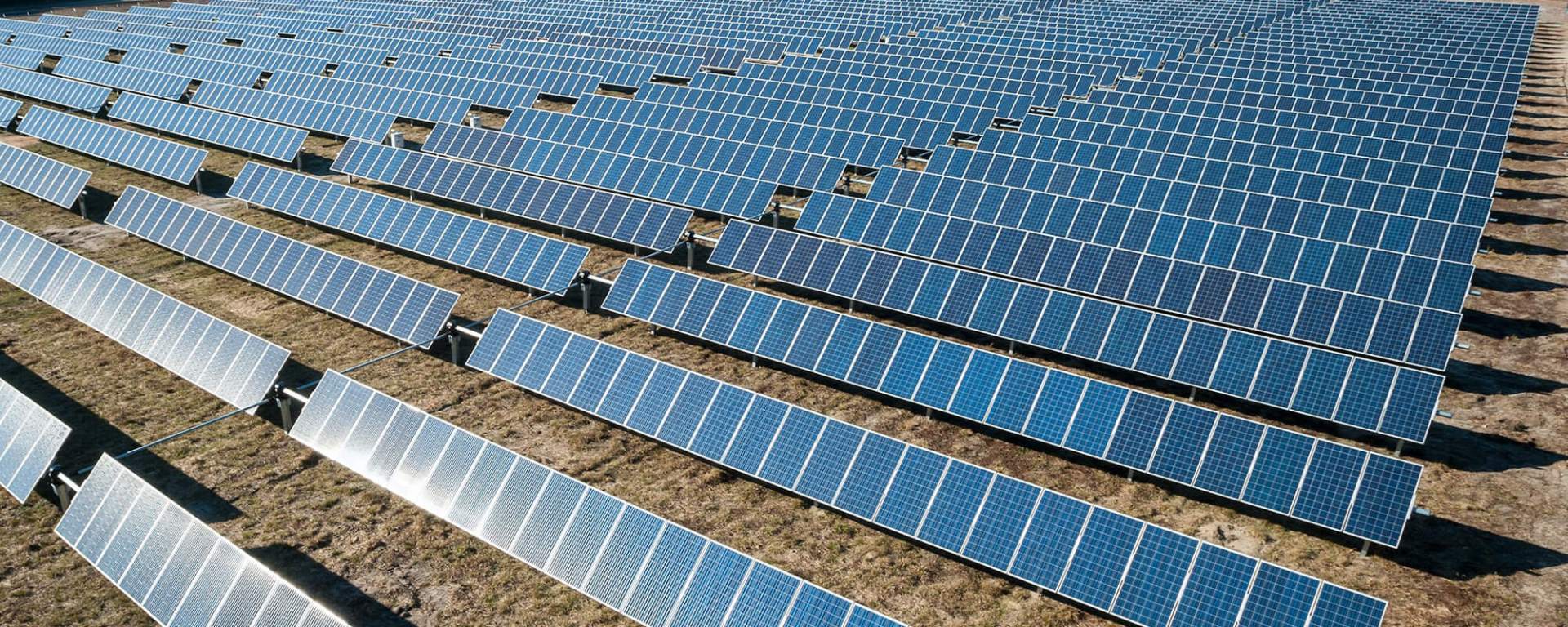
Townsville’s move toward sustainable energy has rapidly positioned the city as a leader in renewable adoption. With an abundance of sunshine throughout the year and increasing awareness of environmental responsibility, more residents and businesses are turning to solar panels Townsville to reduce costs, gain energy independence, and minimize their carbon footprint. Solar power has evolved beyond a trend—it’s now a long-term investment that strengthens both individual households and the wider community.
The Benefits of Going Solar
Solar energy offers a range of tangible benefits that extend far beyond simply lowering electricity bills. One of the most significant advantages is protection against fluctuating energy prices. By generating electricity directly from the sun, property owners can stabilize long-term energy expenses and reduce reliance on the grid. For many households, this translates to substantial savings over time, especially as energy rates continue to rise.
The environmental benefits are equally compelling. Each kilowatt-hour of solar energy produced replaces electricity that might otherwise come from fossil fuels, significantly reducing greenhouse gas emissions. For Townsville homeowners, this means contributing to cleaner air, a healthier environment, and a more sustainable future. Businesses also benefit—adopting solar power strengthens corporate social responsibility and demonstrates a visible commitment to sustainability, a factor that increasingly influences customer perception and brand reputation.
Beyond economics and environmental impact, solar installations can also increase property value. Studies across Australia have shown that homes with solar panels often attract higher resale prices and faster sales due to their energy-efficient reputation and lower running costs. For investors, this creates both immediate savings and long-term financial advantages.
Maximizing System Performance Through Quality Installation
The efficiency and durability of a solar system depend heavily on how well it’s designed and installed. A high-quality installation begins with a professional site assessment. Reputable providers evaluate roof structure, orientation, tilt, and shading to ensure panels receive maximum sunlight throughout the day. They also match the system size to the property’s energy needs, balancing upfront costs with long-term savings.
Choosing a Clean Energy Council (CEC)–accredited installer is essential. Accreditation ensures that technicians meet national standards for safety and performance, and it also qualifies homeowners for government rebates. Beyond accreditation, it’s worth reviewing installer experience, warranties, and aftercare services. A trustworthy installer will use Tier 1 panels, durable mounting hardware, and efficient inverters that convert sunlight into usable electricity with minimal loss.
Maintenance and Long-Term Efficiency
While solar panels are generally low-maintenance, proper care helps preserve their performance for decades. Dust, bird droppings, and leaves can reduce panel efficiency by blocking sunlight, so periodic cleaning—especially before and after the wet season—keeps output high. Most homeowners can schedule professional cleaning once or twice a year, depending on local conditions.
Routine inspections are equally important. Professional checks ensure all wiring, mounting, and inverter systems are intact and functioning correctly. Many modern solar systems come equipped with monitoring software that tracks power generation in real time. These tools help users identify performance dips early and maintain consistent output throughout the system’s lifespan.
Financial Incentives and Support Programs
The Australian government provides a range of incentives to make solar power more affordable. The Small-scale Renewable Energy Scheme (SRES) offers Small-scale Technology Certificates (STCs) that can be traded or used as upfront discounts on installation costs. The number of certificates varies based on the system’s size and expected electricity generation, but they can significantly reduce the purchase price.
Additionally, some energy retailers offer feed-in tariffs, paying homeowners for excess electricity exported back to the grid. Combining these incentives with the long-term savings from reduced energy bills often allows solar systems to pay for themselves within five to seven years. Beyond that, the electricity they generate is essentially free, delivering pure profit and sustainability benefits for decades.
Making the Most of Townsville’s Solar Potential
Townsville’s unique climate gives solar systems an edge over many other regions. With more than 300 sunny days a year, systems in this area tend to produce energy consistently throughout all seasons. To fully capitalize on this advantage, property owners should invest in systems with quality components and consider adding a solar battery for storage. Batteries allow excess power generated during the day to be used at night, further reducing reliance on the grid and maximizing savings.
A Brighter Future with Solar
Solar technology represents more than a home improvement—it’s a forward-thinking choice that supports community-wide sustainability and energy resilience. As technology advances and costs continue to fall, solar systems are becoming increasingly accessible for homeowners, businesses, and even renters through shared or community programs.
Transitioning to solar is both a practical and ethical decision: it cuts costs, enhances energy security, and helps combat climate change at a local level. With smart installation, careful maintenance, and an understanding of available incentives, Townsville residents can enjoy reliable, clean energy for decades to come.
In the end, embracing solar power isn’t just about panels on a roof—it’s about shaping a sustainable future powered by the abundant sunshine that defines Townsville’s identity.
 A BEST TRIP.travel.blog