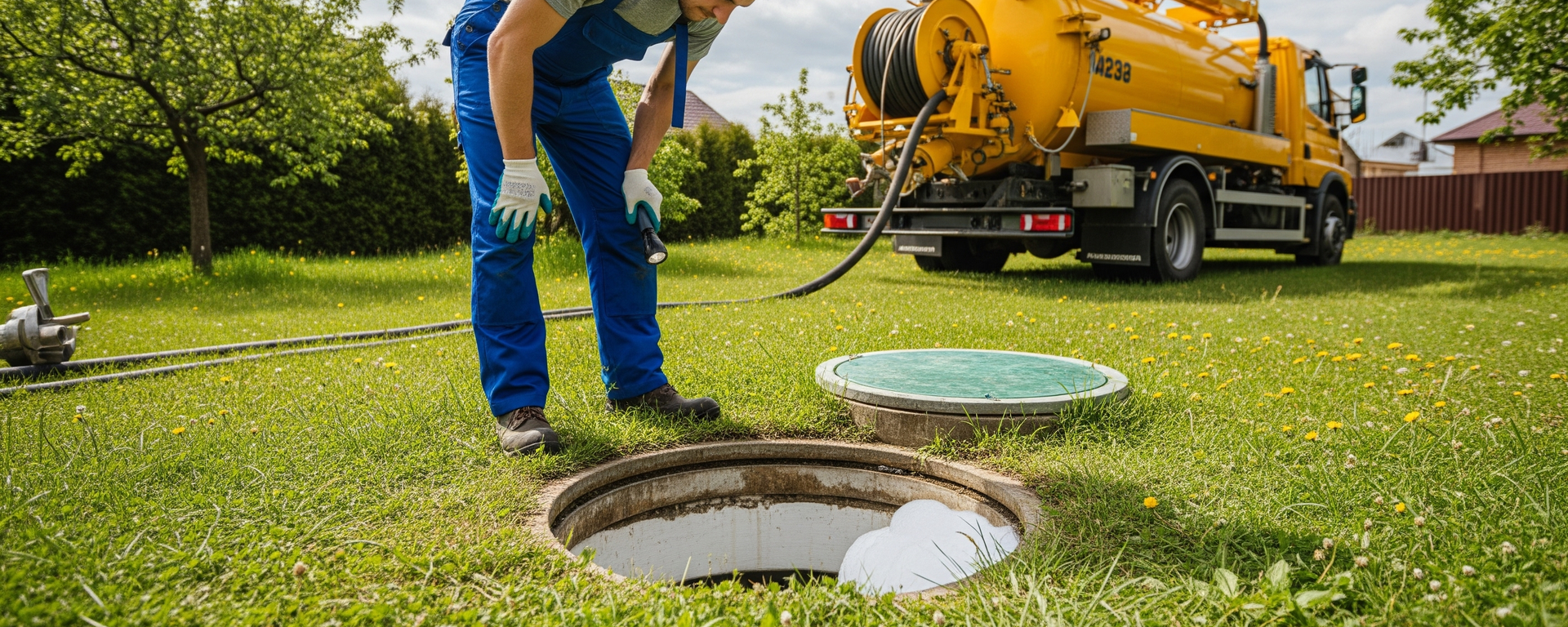
For many rural and semi-rural properties, septic systems play an essential role in managing wastewater efficiently and safely. Proper maintenance ensures the system functions smoothly, preventing costly repairs or environmental hazards. One of the most important aspects of upkeep is septic pumping Mackay, a service that removes built-up solids from the tank to maintain its performance. Regular pumping helps prevent blockages, unpleasant odours, and system overflows: issues that can lead to serious damage if neglected.
When homeowners schedule septic pumping Mackay services, they’re investing in the long-term health of their property’s waste management system. Professional technicians have the equipment and expertise to thoroughly clean septic tanks, inspect for damage, and ensure all components are working correctly. Understanding when and why septic pumping is necessary helps property owners avoid emergency situations and maintain a cleaner, safer environment.
What Is Septic Pumping?
Septic pumping is the process of removing sludge, scum, and wastewater that accumulate in a septic tank over time. These materials come from daily household activities such as flushing toilets, washing dishes, showering, and doing laundry. While the system is designed to naturally separate solids from liquids, solid waste eventually builds up and must be manually removed to prevent clogging or failure.
During pumping, professionals use a vacuum truck equipped with hoses to extract the waste safely. Afterward, technicians may conduct an inspection to check for leaks, cracks, or signs of deterioration. Routine pumping not only prevents unpleasant surprises but also helps the entire septic system last for decades.
Why Septic Pumping Is So Important
Neglecting septic maintenance can cause a range of costly and unpleasant problems. Over time, solid waste can accumulate to a point where it blocks the outlet pipe or seeps into the drain field, leading to system backups. When this happens, wastewater can overflow into your yard or even back into the house, a serious health hazard.
Other potential consequences of infrequent septic pumping include:
- Environmental Contamination: Overflowing septic tanks can leak untreated waste into the soil or nearby water sources, contaminating groundwater.
- Odour Problems: Accumulated waste creates foul smells that can spread across your property.
- Structural Damage: The added pressure from excessive sludge can cause cracks or leaks in the tank.
- Costly Repairs: A full system replacement can cost thousands, far exceeding the expense of regular maintenance.
Routine pumping prevents these issues, ensuring the system continues to work efficiently and safely.
How Often Should You Pump Your Septic Tank?
The frequency of septic pumping depends on several factors, including:
- Tank Size: Larger tanks can hold more waste and may require less frequent pumping.
- Household Size: More occupants mean more wastewater entering the system, leading to faster accumulation.
- Water Usage Habits: Excessive water use can strain the system, filling the tank more quickly.
- Type of Waste: Non-biodegradable items or grease increase buildup and can shorten the time between services.
On average, most households benefit from septic pumping every three to five years. However, it’s always best to consult a local professional who understands Mackay’s environmental conditions and can recommend a schedule tailored to your specific needs.
The Septic Pumping Process
When professionals arrive to perform septic pumping, the process typically involves:
- Locating and Inspecting the Tank: The technician finds the access points, removes the cover, and checks the tank’s condition.
- Pumping and Cleaning: Using a high-powered vacuum hose, they remove the sludge, scum, and wastewater from the tank.
- System Inspection: The interior and exterior of the tank are examined for cracks, leaks, or corrosion.
- Record Keeping: Most companies provide documentation showing the date of service and any issues found—helpful for maintenance tracking.
Hiring licensed and experienced professionals ensures the job is completed safely and in compliance with environmental regulations.
Tips for Maintaining a Healthy Septic System
To prolong the life of your septic system and reduce the need for emergency repairs, consider these maintenance practices:
- Be Mindful of What You Flush: Avoid flushing wipes, sanitary products, and chemicals that can disrupt the system’s bacteria balance.
- Limit Water Use: Spread out laundry loads and fix leaking taps to reduce water entering the tank.
- Avoid Parking Over the Drain Field: Heavy vehicles can damage underground components.
- Use Septic-Safe Cleaning Products: Harsh chemicals can kill beneficial bacteria that break down waste.
- Schedule Regular Inspections: Routine professional checks can detect early warning signs of problems.
The Value of Local Expertise
Working with a local service provider in Mackay ensures your septic system is maintained according to regional soil types, weather conditions, and local council regulations. Local professionals understand how heavy rains and flooding can impact drain fields and tanks, allowing them to provide advice and services tailored to the area’s conditions.
Additionally, choosing a trusted local company supports the community while ensuring prompt response times for both scheduled maintenance and emergency callouts.
Final Thoughts
A well-maintained septic system is crucial for both property health and environmental protection. Regular pumping keeps your system efficient, prevents unexpected breakdowns, and extends the lifespan of your tank. By investing in professional septic care, you’re not only protecting your home but also contributing to a cleaner, safer environment.
For Mackay residents, scheduling routine septic pumping with experienced professionals ensures peace of mind year-round. Reliable service, local expertise, and consistent maintenance are the keys to keeping your septic system running smoothly for years to come.
 A BEST TRIP.travel.blog