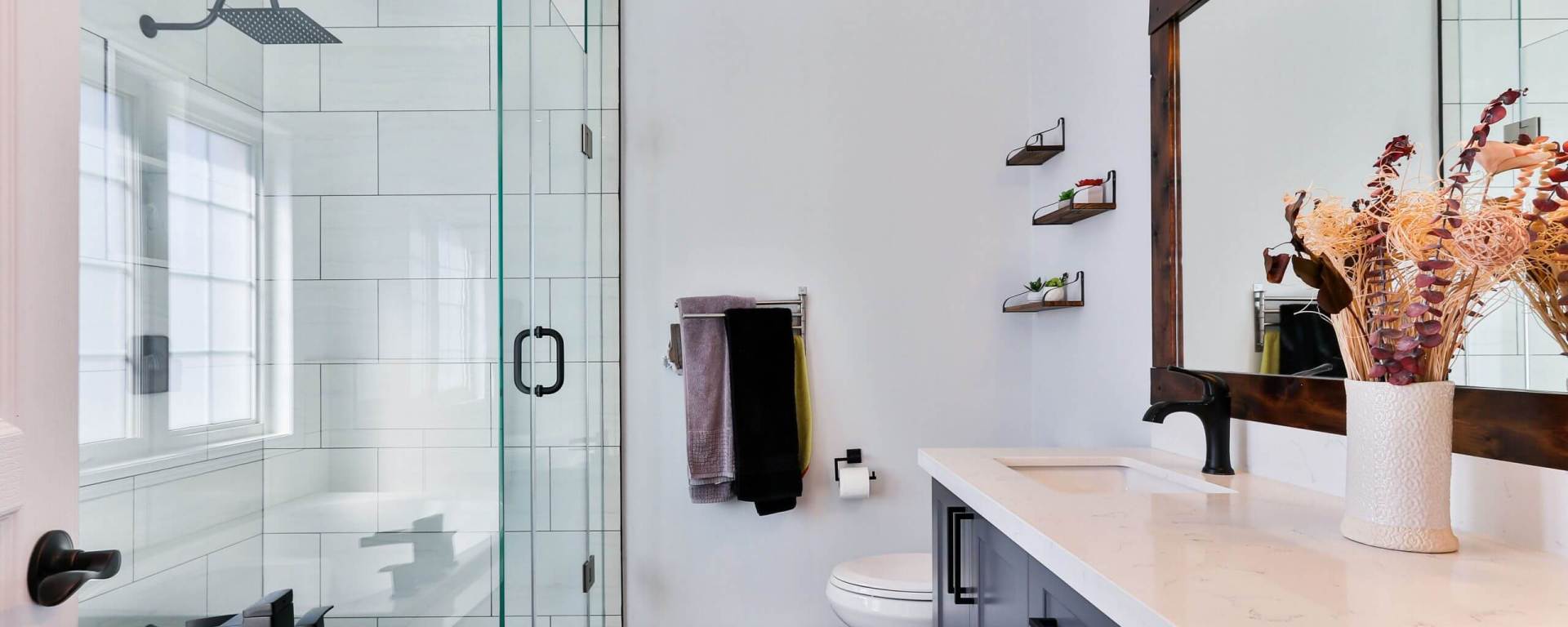
Glass splashbacks have become a go-to in Newcastle and the Hunter for good reason: they’re sleek, hygienic, and custom to the millimeter. Whether it’s a Merewether renovation, a Charlestown new build, or a compact apartment in the city, homeowners love the way glass opens up a kitchen or bathroom with light and color, then wipes clean in seconds. This guide walks through the styles, safety standards, installation steps, pricing, and practical ideas specific to choosing glass splashbacks Newcastle use.
Why Choose Glass Splashbacks For Newcastle Kitchens And Bathrooms
Newcastle homes deal with a mix of sea air, busy family life, and a healthy love of entertaining. Glass splashbacks suit that lifestyle because:
- They’re low maintenance. No grout means no grime. Spatters wipe off with a quick spritz and a cloth.
- They bounce light. In older brick homes or narrow kitchens, a reflective surface makes spaces feel bigger and brighter.
- They’re durable and safe. Toughened glass is heat-resistant and made to Australian Standards.
- They’re custom. From exact cutouts for power points to curved corners and color-matched paint, the finish looks built-in rather than “almost right.”
Beyond kitchens, glass works beautifully in laundries and bathrooms, think full-height vanity splashbacks or shower feature panels that turn a small space into something spa-like. For coastal suburbs like Redhead or Stockton, the non-porous surface also helps keep salt and moisture from becoming a maintenance headache.
When people search glass splashbacks Newcastle, they’re often weighing glass versus tiles or acrylic. Tiles offer texture but take longer to clean and age faster at the grout. Acrylic can be budget-friendly but won’t match glass for heat resistance or long-term clarity. If someone wants longevity plus a clean, contemporary look, glass tends to win.
Types, Finishes, And Design Ideas
Toughened Vs. Heat-Resistant Glass
Nearly all kitchen splashbacks use toughened safety glass (sometimes called tempered). It’s heat-resistant and, if it ever breaks, it crumbles into small pieces rather than sharp shards. Thickness typically ranges from 6 mm to 10 mm, depending on size, cutouts, and the cooker type. For areas directly behind cooktops, installers specify toughened glass rated for higher temperatures. Some projects add specialty heat-rated coatings, especially around powerful gas burners.
Color Options: Solid, Low-Iron, Metallic, And Printed
- Solid color (back-painted): The classic choice, color is baked onto the back so it won’t scratch off during cleaning. Neutral whites, warm greys, and earthy greens are popular across Newcastle’s mix of heritage and coastal homes.
- Low-iron glass: If someone wants a crisp white or subtle pastel, low-iron minimizes the green tint of standard glass for true-to-swatch color.
- Metallics and pearlescents: Soft metallic flecks add depth without being flashy, nice in smaller kitchens that need a little “lift.”
- Printed and photographic designs: From bespoke patterns to marble or terrazzo looks, high-resolution prints give the character of stone or artwork while keeping the wipe-clean surface. These do take longer to manufacture.
A handy tip: paint a small sample of the chosen color on a board and view it at different times of day in the actual kitchen. Newcastle’s light can swing from bright glare to moody coastal overcast, colors shift with it.
Mirrored, Window, And Feature Panel Concepts
- Mirror splashbacks: Great for galley kitchens or apartments where reflective surfaces double the sense of space. Tight on storage? The mirror gives a more open feel without changing the footprint.
- “Window” look: Pale tints or lightly mirrored finishes can create a window effect, especially across long benches looking out to a courtyard.
- Feature panel: Consider one highlight section, behind a cooktop or above a vanity, paired with simpler panels elsewhere. In bathrooms, a feature glass panel with a subtle pattern can be the hero without dominating the room.
Edge Profiles, Thickness, And Cutouts
Edge finishing matters for comfort and safety. Most opt for polished, slightly arrised edges that feel smooth to the touch. Thickness depends on panel span and the number of penetrations: larger panels with multiple cutouts (for power points, mixer taps, or pot-filler taps) may step up to 8–10 mm for strength. Cutouts are CNC-precision made from the final template, so measurements must be spot-on. Ask the installer to confirm the exact GPO locations and any appliance model numbers before glass goes into production.
Measuring, Compliance, And Safety Standards
Australian Standards And Heat Zones
Quality glass splashbacks in Newcastle should comply with:
- AS/NZS 2208: Safety glazing materials
- AS 1288: Glass in buildings – Selection and installation
- AS/NZS 5601.1: Gas installations (relevant for clearances near gas cooktops)
- AS/NZS 3000 (Wiring Rules): For electrical points near wet areas and cooktops
Heat zones around cooking surfaces require careful planning. Toughened glass is used behind cooktops, and clearances to burners, rangehoods, and power points need to follow the above standards and manufacturer instructions.
Power Points, Rangehoods, And Gas Clearance
- Rangehoods: As a general guide, many rangehood manufacturers specify minimum clearance from cooktop to hood, often around 600 mm for electric and 750 mm for gas. Always defer to the appliance manual and AS/NZS 5601.1.
- Power points: Position GPOs so cords won’t drape across hot zones and in line with AS/NZS 3000 and local electrical requirements. Installers typically avoid placing outlets directly above cooktops and keep comfortable horizontal/vertical separation from burners and taps.
- Gas burners: Surrounding vertical surfaces must meet the gas standard’s requirements for proximity and combustibility. Toughened glass is non-porous and commonly specified for these areas, but exact distances still apply per the standard and appliance documentation.
Behind-Gas Vs. Induction Considerations
- Behind gas: Confirm burner layout, pot-filler taps, and any nearby timber panels. Some projects call for additional heat-resistant backings or specific clearances for peace of mind.
- Behind induction: Heat is more controlled, opening up more finish options, including lighter colors without worry of discoloration. Clearances to the rangehood still apply, and glass still needs to be toughened and compliant.
Local tip: Newcastle council doesn’t typically require a separate approval for splashbacks, but licensed trades (glaziers, electricians, gas fitters) should handle their parts of the job to ensure compliance and warranty coverage.
Installation, Aftercare, And Timeline In Newcastle
Site Measure And Template Preparation
The process starts with a site measure once benchtops, cabinets, and appliances are in place. The installer templates every edge and cutout, down to the millimeter. It’s the moment to confirm: final benchtop overhang, exact GPO heights, mixer locations, rangehood model, and any corner returns. In the Hunter’s older homes, walls aren’t always perfectly plumb, so templating allows for tiny scribe adjustments to keep the result tight and neat.
Manufacturing And Lead Times
For standard back-painted glass, manufacturing in Newcastle typically takes 7–15 business days after measure. Low-iron or printed designs may extend to 2–4 weeks due to specialty glass and curing times. Busy periods, pre-Christmas or mid-year renovation rush, can add a little buffer, so booking early helps.
Installation Day And Post-Install Care
Installation is usually a half-day job for an average kitchen. Panels are dry-fitted, adhesive is applied, and perimeter seals are finished with a neat silicone bead (often color-matched). Expect:
- Protective covers on floors and benchtops
- A test-fit before final bonding
- Cleaning and a final once-over of seals and joins
After installation, avoid heavy cleaning for 24–48 hours to let adhesives cure. If there’s a cooktop nearby, wait for the installer’s go-ahead before firing up a serious cook session.
Daily Cleaning, Seals, And Longevity Tips
- Cleaning: A soft microfiber cloth and quality glass cleaner is all that’s needed. For stubborn spots, warm soapy water or a tiny splash of white vinegar works. Avoid abrasives and harsh alkaline or acidic products.
- Seals: Check silicone lines annually, especially in wet areas. If discoloration appears, a quick re-silicone refresh keeps the finish looking new.
- Longevity: Don’t slam heavy objects into edges, and avoid resting hot pots directly against the glass. With normal care, a toughened glass splashback can look pristine for well over a decade.
Pricing, Quotes, And Choosing An Installer
Cost Drivers: Size, Cutouts, Coatings, And Access
Several factors influence the cost of glass splashbacks in Newcastle:
- Size and number of panels: Larger, fewer panels look seamless but may need thicker glass or more handling.
- Cutouts and shaping: GPOs, mixer holes, corner notches, and curved rangehood lines add to manufacturing time.
- Glass type and finish: Low-iron, metallic, mirror, or printed designs carry different price brackets. Specialty heat-resistant coatings may be added near powerful cooktops.
- Site access and install complexity: Apartments with lifts, tight stairwells, or awkward returns take longer to measure and fit.
Typical Price Ranges And Inclusions
Indicative installed pricing in the Newcastle/Hunter region (can vary by supplier):
- Standard back-painted toughened glass: approximately $450–$700 per m² installed
- Low-iron back-painted: approximately $550–$850 per m² installed
- Mirror splashbacks: approximately $500–$800 per m² installed
- Printed or specialty finishes: approximately $750–$1,200+ per m² installed
- Cutouts: often $80–$160 each depending on size/type
Most quotes include site measure, templating, toughened glass, paint/finish, installation, and standard silicone sealing. Electrical or plumbing work (e.g., moving a GPO or mixer) is usually excluded and handled by licensed trades separately.
Comparing Quotes, Licenses, And Warranty Terms
When comparing glass splashbacks Newcastle quotes, it’s worth asking:
- What glass standard is being used (AS/NZS 2208, AS 1288)?
- Is it low-iron for true whites or standard clear glass?
- How many joins will there be, and where?
- Are rangehood and cooktop clearances confirmed to appliance manuals and AS/NZS 5601.1?
- What’s the warranty on paint adhesion, glass, and installation (adhesive/sealant)?
- Lead time guarantees, and what happens if a panel arrives chipped or out of spec?
A good local installer will bring sample boards, color swatches, and actual glass offcuts so homeowners can see the difference between standard and low-iron. They’ll also coordinate with the electrician and plumber if GPOs or taps need minor shifts to meet the template.
Conclusion
Glass splashbacks tick the big boxes for Newcastle homes: they’re stylish, safe, easy to keep spotless, and built to last. From soft coastal whites in Dudley to smoky mirrors in inner-city apartments, glass adapts to the architecture and the way people actually live. The keys are straightforward, measure precisely, follow the Australian Standards, choose the right finish, and work with a reputable local installer. Do that, and the result will look sharp on day one and still make them smile years down the track.
 A BEST TRIP.travel.blog